


The Story
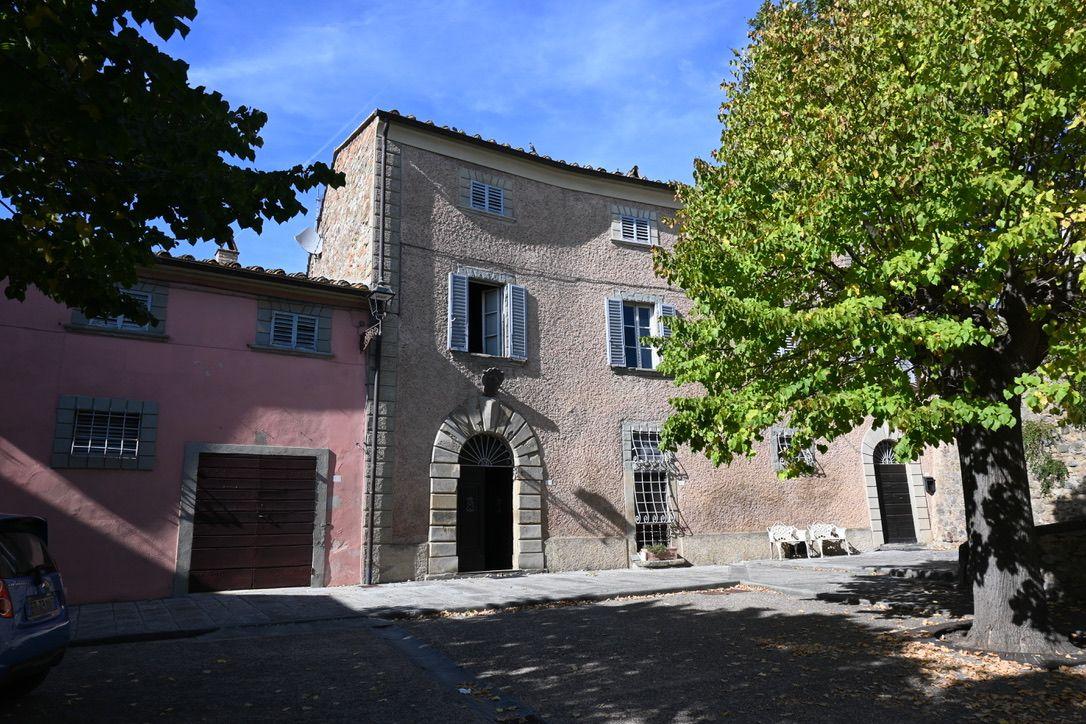
Built in the 16th Century, when Tuscany was under Medici rule, Palazzo Marzocchi became the summer residence of the Marzocchi family of Arezzo in the early 19th Century. Its terracotta floors, broad pietra serena staircase and Florentine arches reflect its Renaissance origins. The house has undergone several restorations, including extensive repairs after a devastating earthquake in 1917, yet retains much of its historic character, from the family library to the terraced garden situated along the old town walls. The present owners purchased the palazzo in 2023, beginning a new chapter while maintaining its close ties to the family’s history.
[ XVI century ]
The Marzocchi family
The Marzocchi family traces its origins to Antonio Marzocchi, who arrived in Tuscany from Sicily in the late 16th century and settled near Arezzo. By the 18th century, the family had become prominent in the region, notably through Bernardo Marzocchi, a prosperous silk manufacturer and benefactor of the local church. The Palazzo passed into the family in the early 19th century, when Simone Marzocchi married Amelia Brizzi, whose dowry included the house, La Rocca and extensive land around Monterchi.
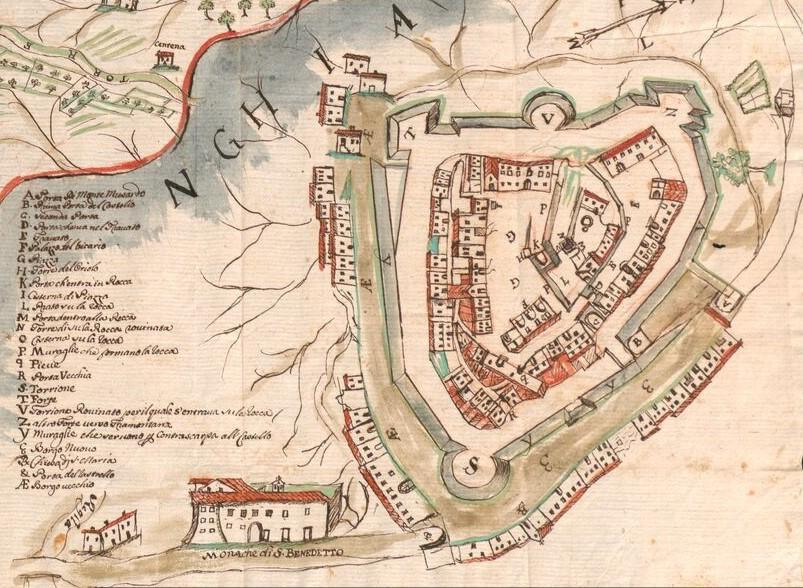
[ 1560 ]
The coat of arms
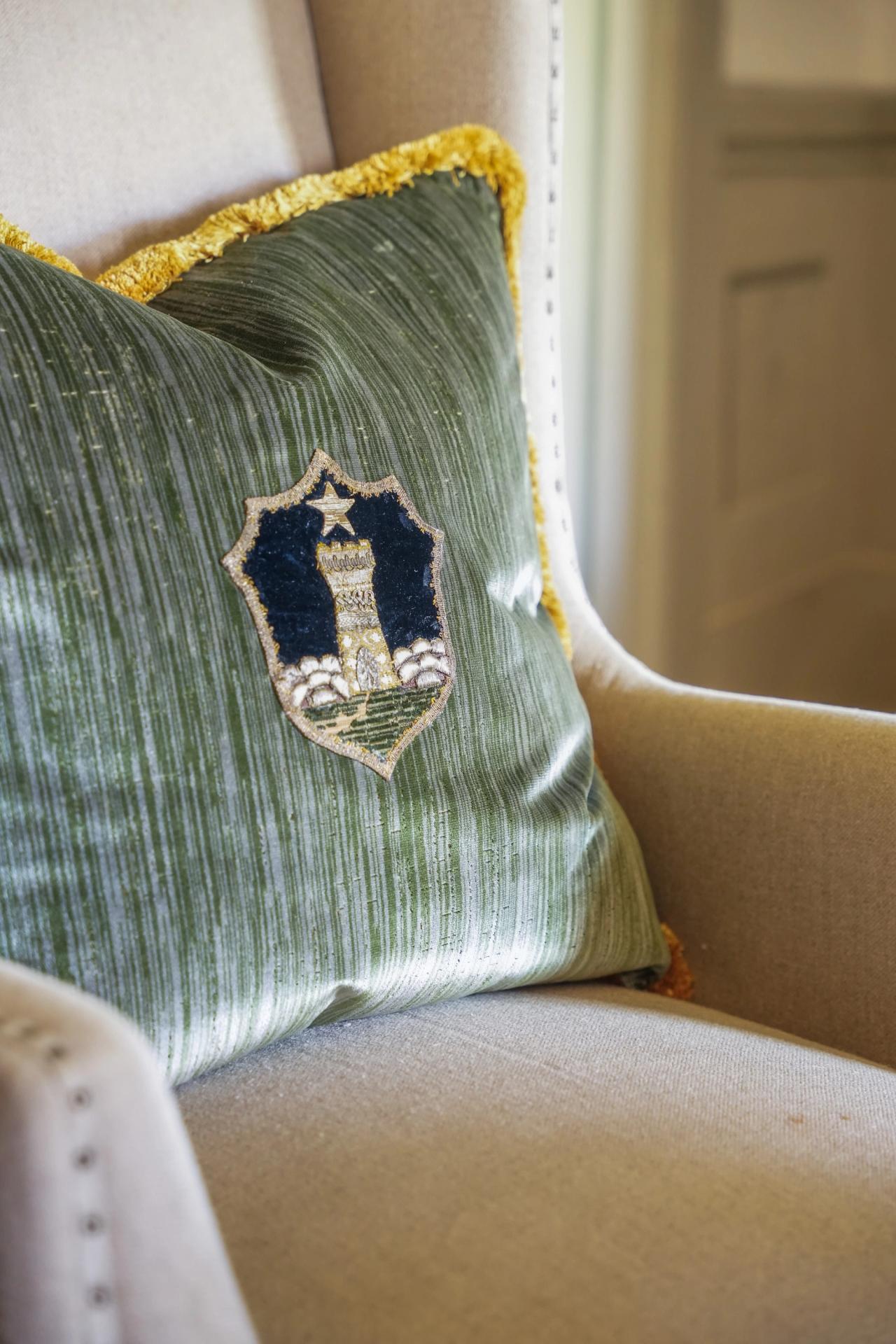
The historic Marzocchi family coat of arms, depicting a tower surmounted by a star, has been adopted as the emblem of Palazzo Marzocchi. Documented as far back as the 18th century, the crest may be as much as 400 years old.
[ 1917 ]
The earthquake
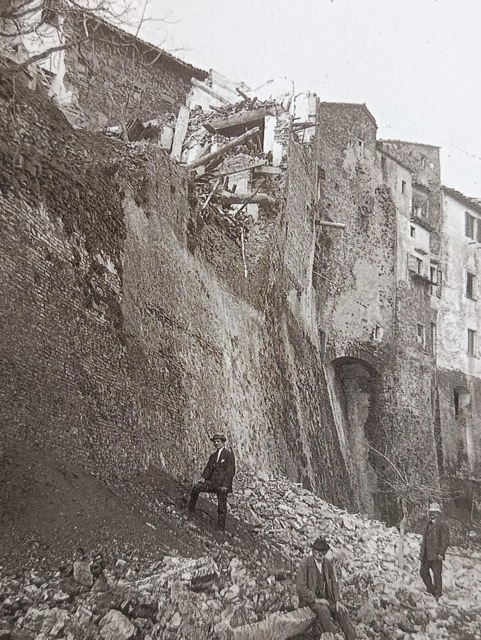
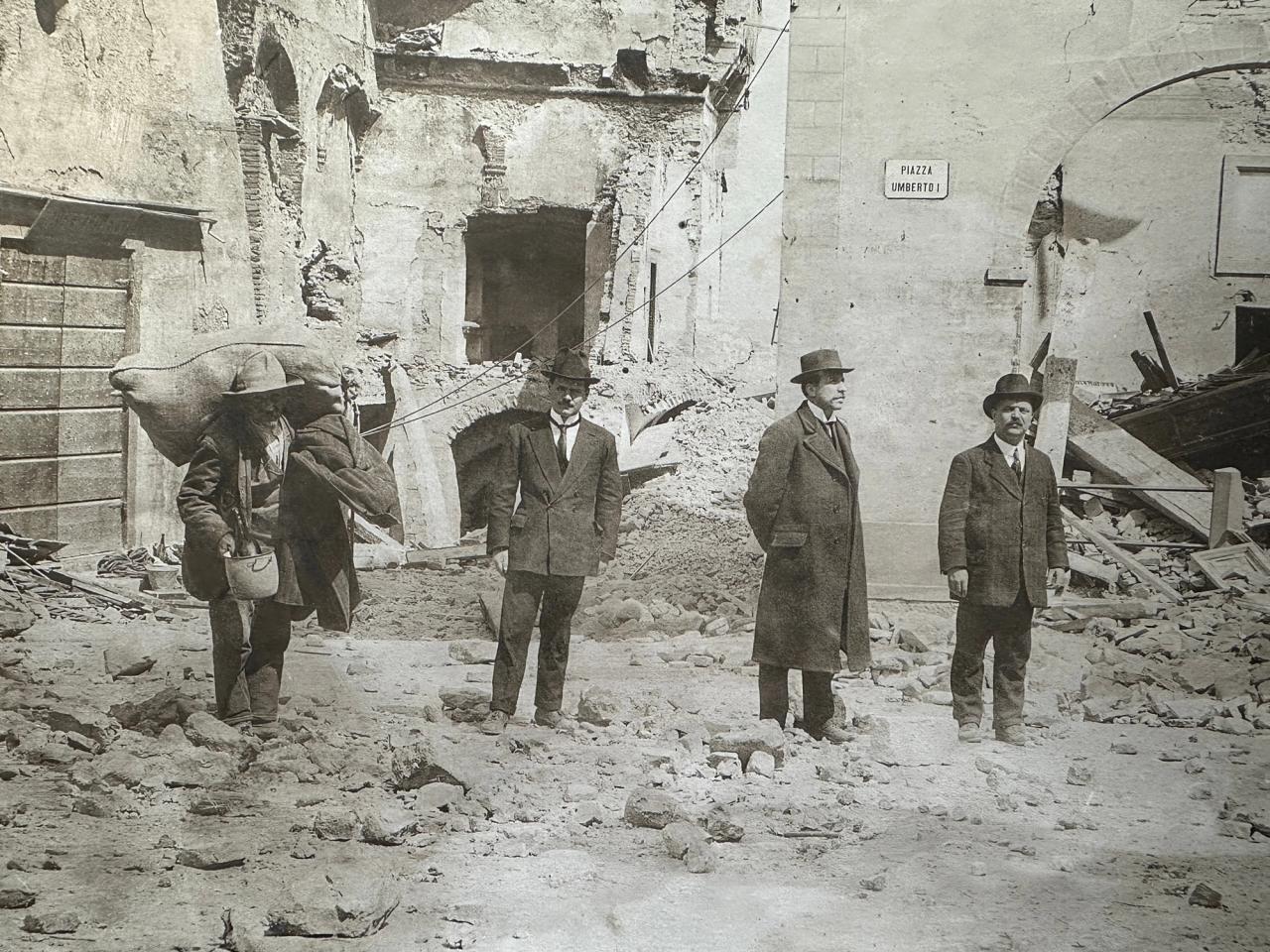
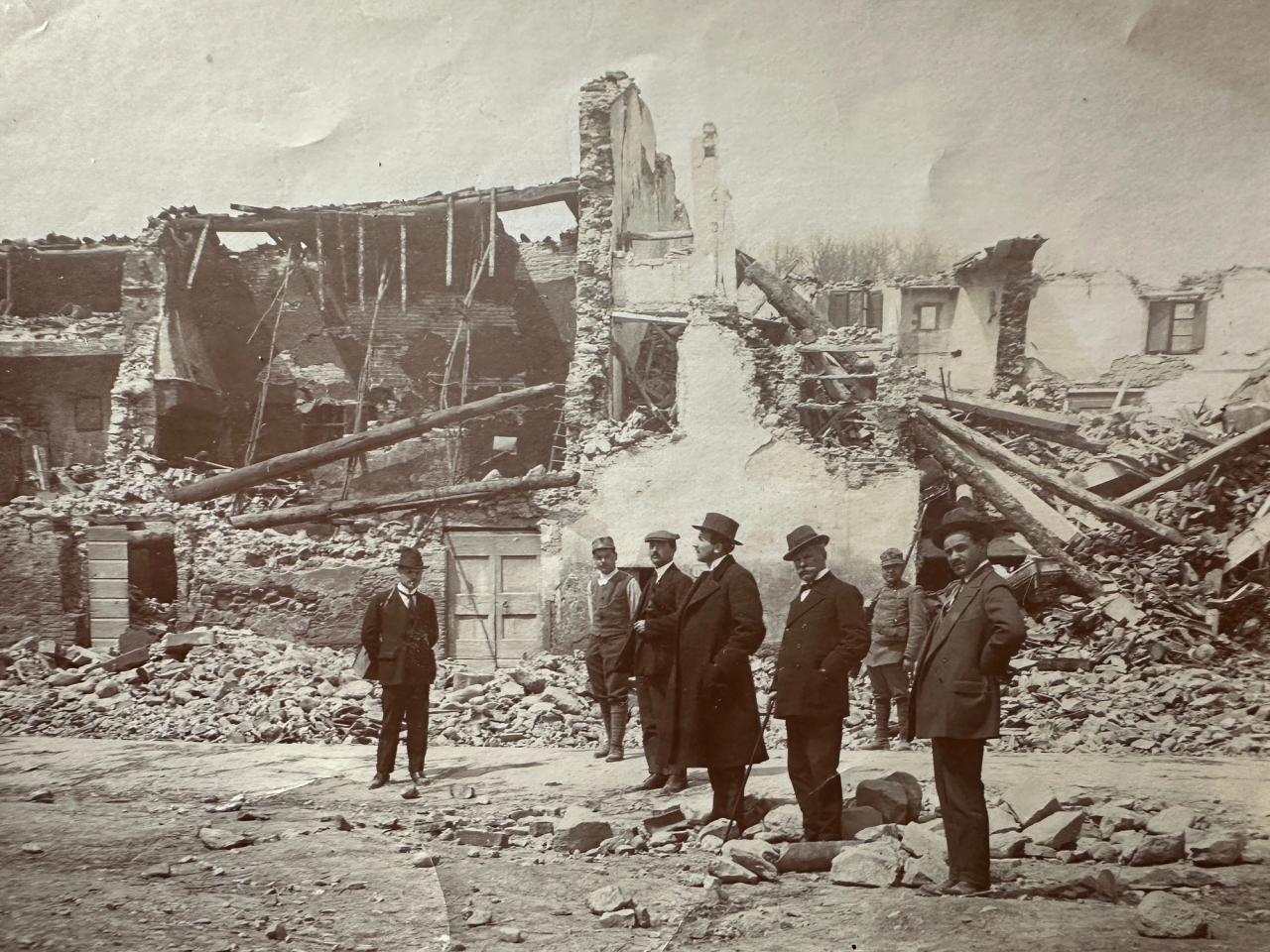
On 26 April 1917, a devastating earthquake struck Monterchi, claiming lives and causing extensive damage to the town’s historic buildings. Palazzo Marzocchi was fortunate to escape largely unscathed, and despite the destruction, Monterchi retains much of its architectural heritage, its ancient streets and buildings bearing witness to centuries of Tuscan history.
[ 2023 – 2025 ]
The restoration
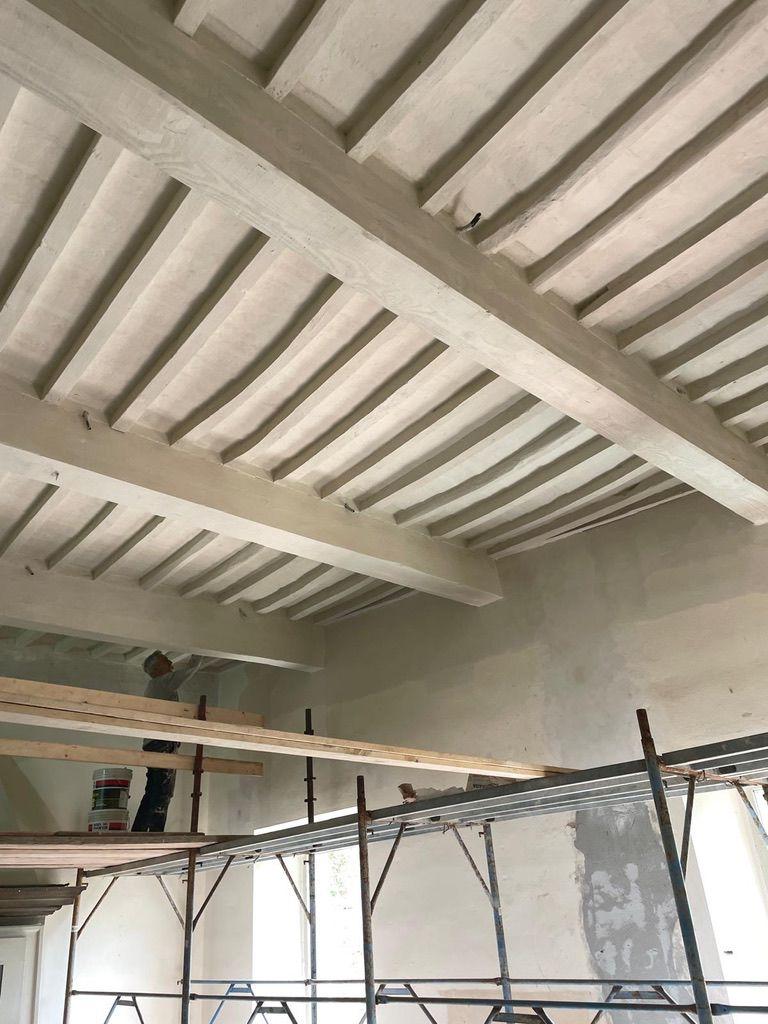
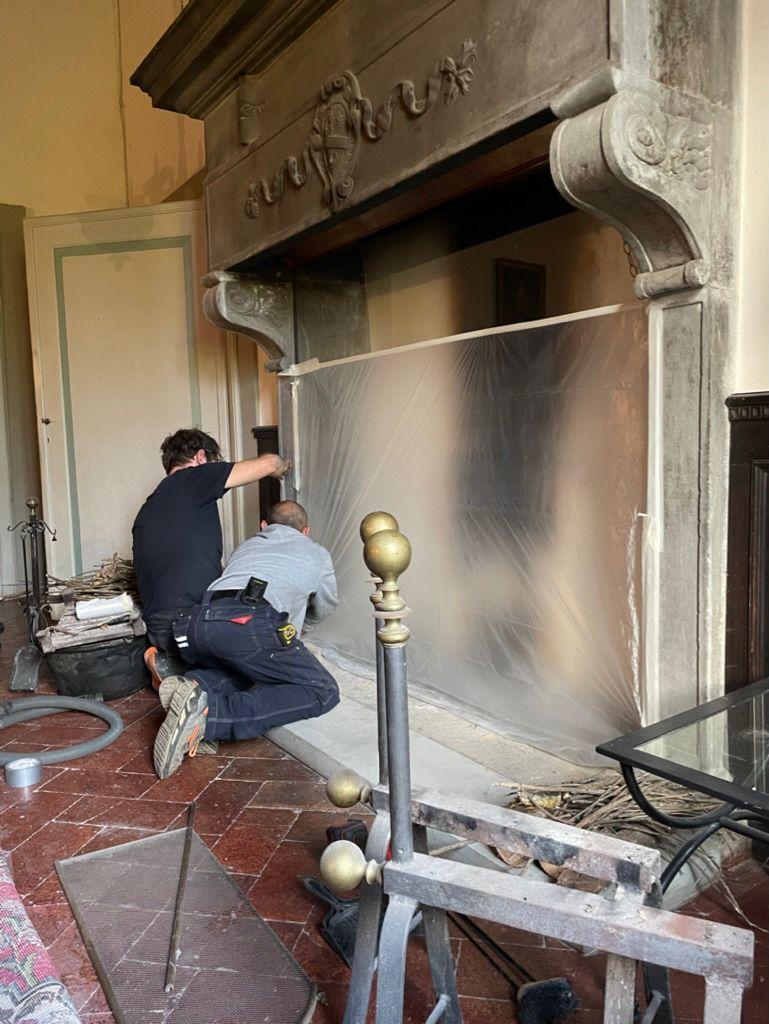
The decision to buy Palazzo Marzocchi was made almost immediately. Standing in the main hall, the current owners exchanged a glance and knew they needed the building in their lives. Over the following two years, they worked closely with skilled local craftsmen, experienced in restoring historic buildings, to renew the plumbing and electrics, install new bathrooms and carefully restore the interiors. Their aim was to bring an important part of Monterchi’s heritage back to life, combining modern comforts with the character and atmosphere that had first captured their imagination.
Fabrics, colours and furniture
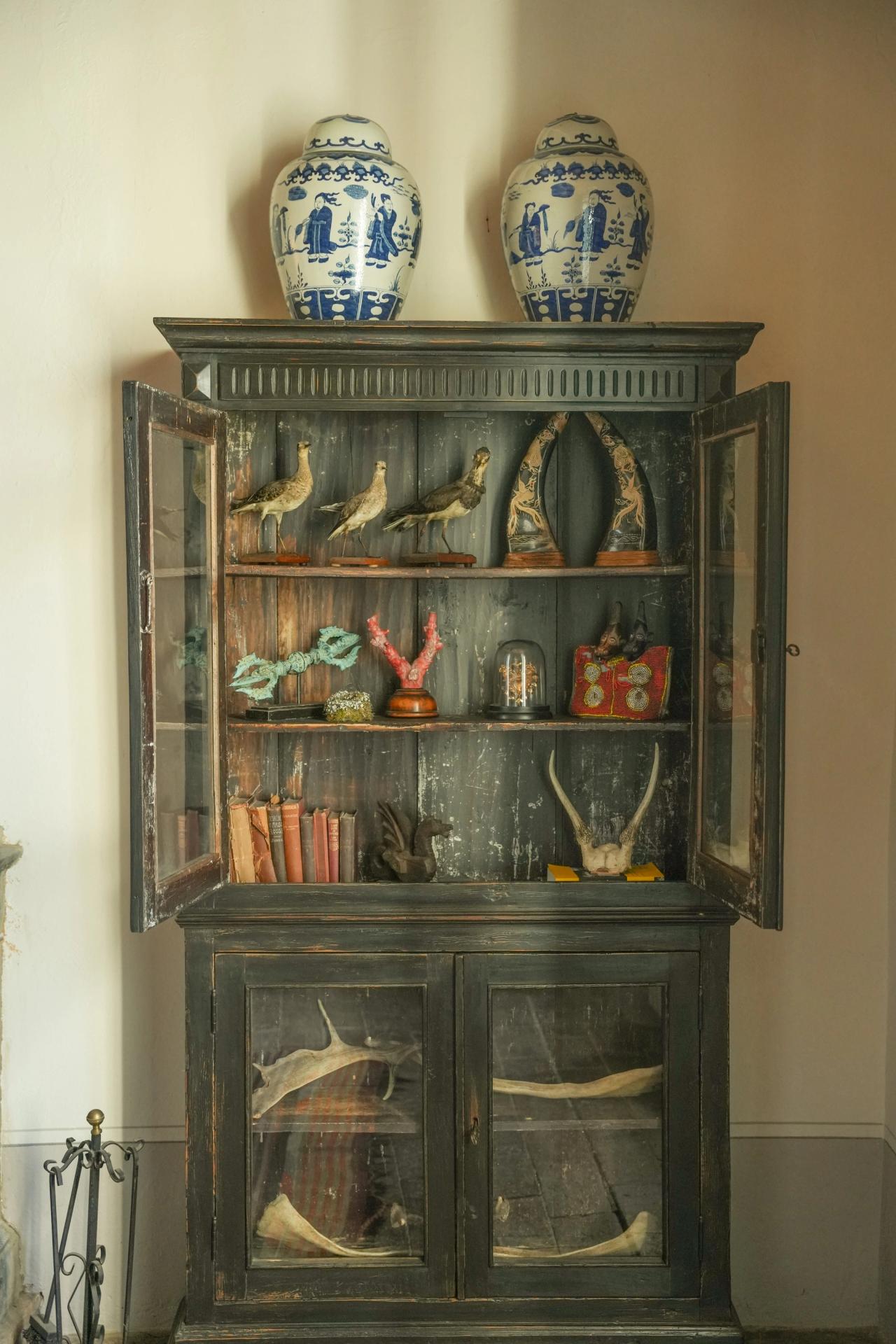
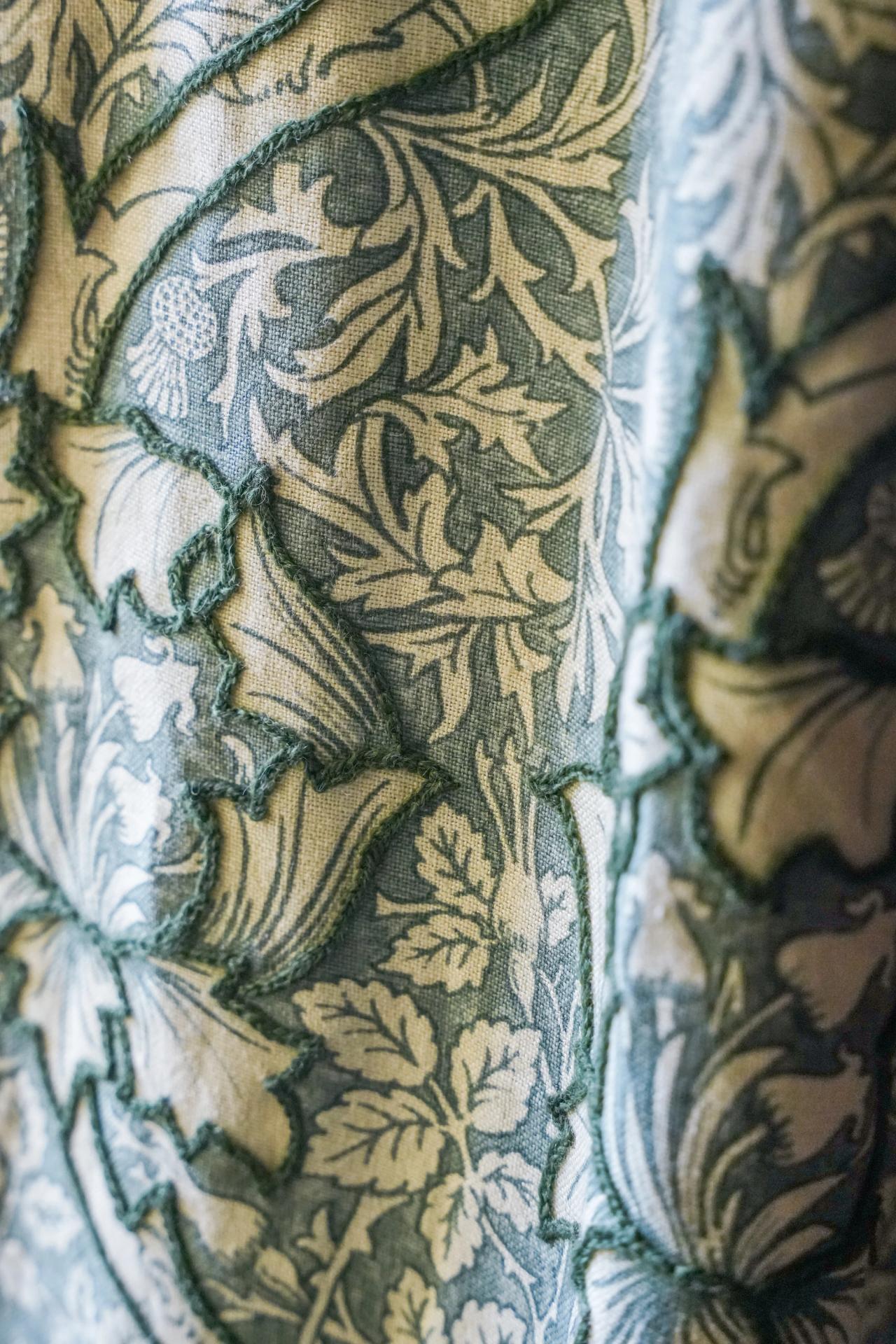
Fabrics and colour are central to the interiors of Palazzo Marzocchi. Antique tapestries found at auction hang on the walls or are made into cushions, while furniture original to the house has been reupholstered in textiles sourced from Uzbekistan to nearby Anghiari. Each room has its own carefully curated palette, with bold contrasts and unexpected combinations that draw the eye before revealing an underlying harmony. The result is considered maximalism with a sense of relaxed grandeur, reflecting the character of the Palazzo itself.
The artisans
The restoration of Palazzo Marzocchi has relied on the skills of local craftsmen: builders from Anghiari, plumbers from Sansepolcro, and electricians, carpenters, upholsterers and ironmongers from across the Tiber Valley. Each has brought their expertise and knowledge of traditional techniques to the project. Many of the fabrics come from Busatti in nearby Anghiari, one of Tuscany’s oldest family-run textile businesses, where cloth is still woven using traditional methods.
[ Today ]
About us
The decision to buy Palazzo Marzocchi was almost instantaneous. The moment they stepped through the front door into the entrance hall, the current owners knew they had found something special. Over the following two years, they worked alongside skilled local craftsmen, whose knowledge of restoring historic buildings has been passed down through generations, to modernise the plumbing and electrics, install new bathrooms and carefully restore the interiors. Their ambition was to breathe new life into an important part of Monterchi’s heritage, introducing modern comforts while preserving the character and atmosphere that had captivated them from the outset.

Stay with us
We would be delighted to welcome you to Palazzo Marzocchi. Please get in touch with your preferred dates, number of guests and any special requests, and we will be happy to discuss availability and help you plan your stay.
Contact us